
Today, on International ME/CFS Awareness Day (May 12), we stand together to honor every person living with Myalgic Encephalomyelitis/Chronic Fatigue Syndrome (ME/CFS)—a disabling, life-altering disease that still lacks a diagnostic test, effective treatments, and a cure. This day is a reminder of the strength and resilience within our community—and of the urgent need for answers.
People with ME/CFS face devastating physical symptoms: impaired function, unrefreshing sleep, and post-exertional malaise (PEM)—a delayed worsening of symptoms after even minor activity. Many also experience cognitive impairment, making it hard to concentrate, process information, or find words.
Orthostatic intolerance is common too, causing dizziness, rapid heartbeat, or fainting when upright. People with ME/CFS often live with chronic pain and a wide range of other symptoms affecting nearly every system of the body.
Many are confined to their homes. Some are entirely bedbound. Children and adults alike have had their lives interrupted, dreams postponed, and needs overlooked. Despite the severity of this disease, research funding has remained woefully inadequate. Too many have endured disbelief from healthcare providers, dismissal from society, and years of isolation. ME/CFS is not rare—but it has been treated as invisible.
More here.
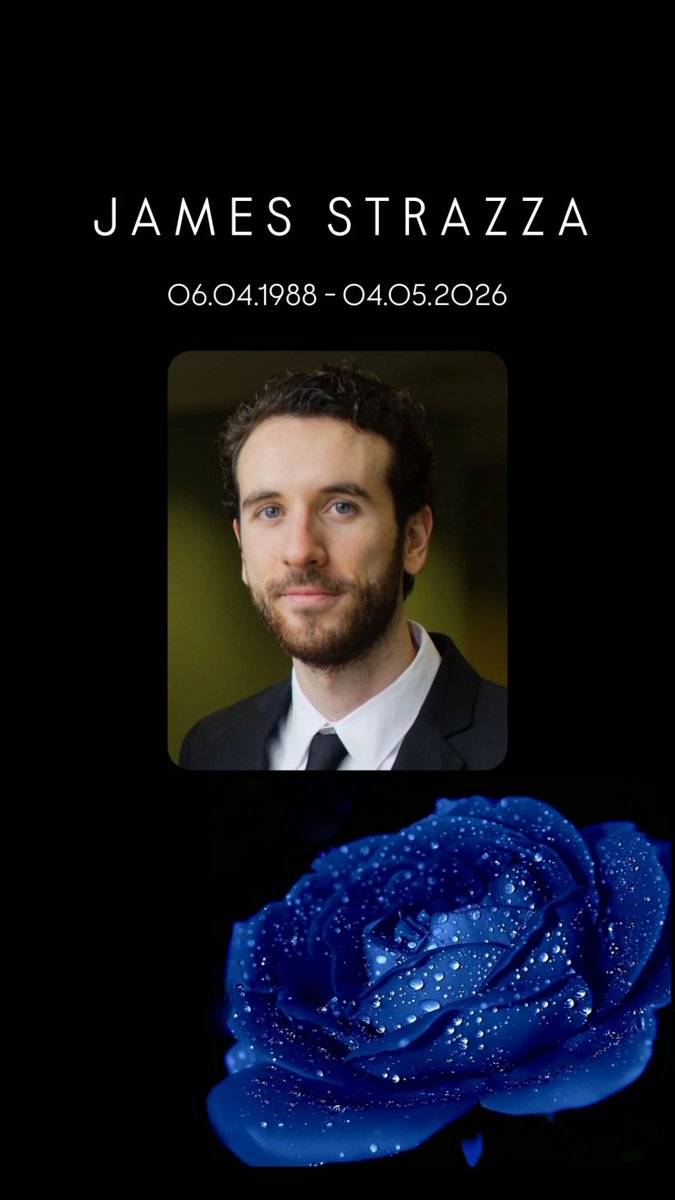
Gwyn: “in honor of James Strazza who died this week from very severe ME i want to share a blogpost by him and his mother Galen, which has accompanied me for the last years and helped me in more ways than i could say. rest easy James.
James and I spent almost two hours talking about suicide recently, his thoughts of suicide when he was suffering unbearably, what got him through that period, and how to talk to someone who’s suffering so much that they feel it’s their only choice.
James never wanted to die, and as far as I can tell from all the evidence available, neither do others. What they want is not to live the nightmare of severe ME/CFS/Long Covid that is robbing their livelihoods, recreation, outdoor activities, hobbies, entertainment, their relationships, close friends, the ability to have a family or, if they have one, to be with their children. They don’t want to live a life of unrelenting isolation and suffering… More here.
Categories: Health


Thinking of you, my friend.
LikeLiked by 1 person